
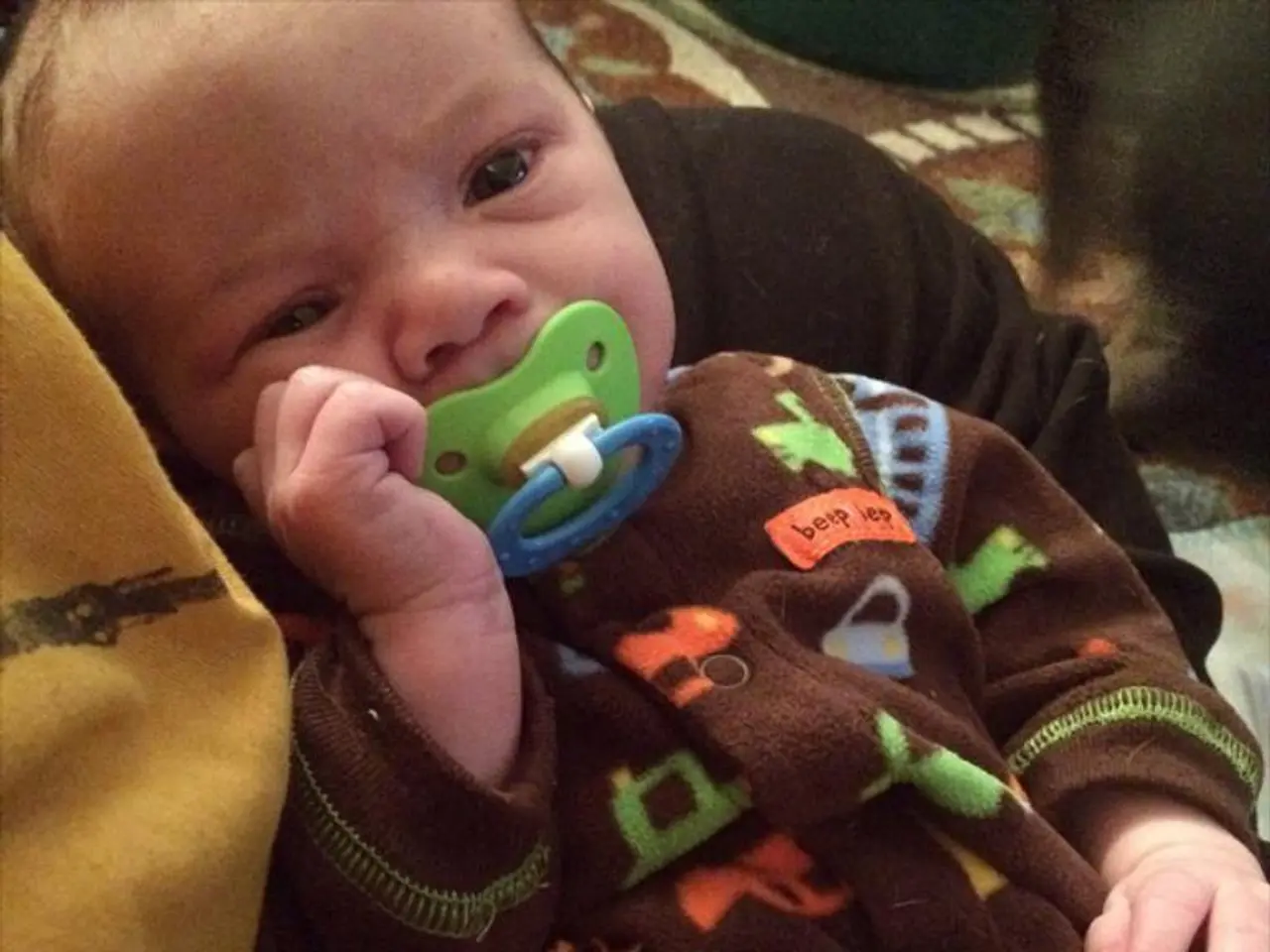
Treatment and signs of lip-tie in infants and toddlers
In recent times, the diagnosis of lip ties among infants by healthcare providers has seen a notable increase. This condition, characterised by a tight labial frenulum connecting the upper lip to the gums, can sometimes cause difficulties in breastfeeding.
Lip ties can affect a baby's ability to breastfeed effectively, primarily due to the restricted mobility of the upper lip. To breastfeed properly, a baby needs to be able to move their upper lip enough to accommodate the nipple and create a secure latch. However, a lip tie can make it difficult for the baby to lift and flare out the upper lip as required, leading to a shallow latch or the baby popping on and off the breast.
Common symptoms of a lip tie in babies include difficulty latching, milk dribbling out of the sides of the mouth, excessive gassiness, colic, or reflux symptoms, the baby becoming tired or falling asleep easily while feeding, poor or inadequate weight gain, and mothers experiencing painful or damaged nipples due to poor latch or frequent slipping during feeding.
It's essential for parents and caregivers to assess whether their baby is having trouble breastfeeding. If other measures do not help, a lip tie revision may foster longer and healthier breastfeeding. However, it's crucial to note that further research into these procedures is necessary.
Treatment options for lip ties often involve a minor surgical procedure called a frenectomy or frenotomy, which releases the tight frenulum tethering the lip. This procedure can be done with scissors or laser and is typically quick and minimally invasive. Post-procedure care includes cleaning the surgical site to reduce infection risk and monitoring feeding progress. Many parents report immediate improvements in latch, milk transfer, and reduced symptoms such as reflux and gassiness after treatment.
However, it's important to remember that a lip tie may not always necessitate treatment. For some babies, the condition does not cause any significant breastfeeding issues. In such cases, working with a lactation consultant to address breastfeeding problems may be more beneficial before resorting to a medical procedure.
In cases where a lip tie revision is deemed necessary, options for the breastfeeding mother include giving the baby breastmilk in a bottle or undergoing the procedure. It's worth noting that older babies who have breastfed for several months with a lip tie may have learned compensatory strategies that no longer work following a revision.
In conclusion, while lip ties can potentially impact breastfeeding, they are treatable, and surgery can lead to improved feeding outcomes and reduced discomfort for both baby and mother. It's advisable for parents and caregivers to consult a lactation counselor or a pediatrician with breastfeeding knowledge if they suspect their baby may have a lip tie. Attending support groups can also offer advice for managing lip ties and recommendations for healthcare providers with experience in treating them.
- A baby's health-and-wellness, especially during the initial stages as a toddler, might be affected by undiagnosed lip ties, leading to difficulties in breastfeeding.
- In the realm of science, research is still needed to fully understand the implications and benefits of lip tie revision procedures.
- For families who prioritize mental-health, the struggle of a baby with a lip tie and the resulting breastfeeding difficulties can be emotionally taxing, but seeking professional help can offer solutions.
- In the pursuit of women's health and proper parenting, understanding the symptoms of lip ties, such as excessive gassiness, colic, poor weight gain, and painful nipples, can empower mothers to take proactive steps in their child's health-and-wellness.
- To maintain optimal skin-care for both mother and baby, addressing breastfeeding issues caused by lip ties can prevent a variety of symptoms, including rashes and damaged nipples, promoting a healthier bonding experience.