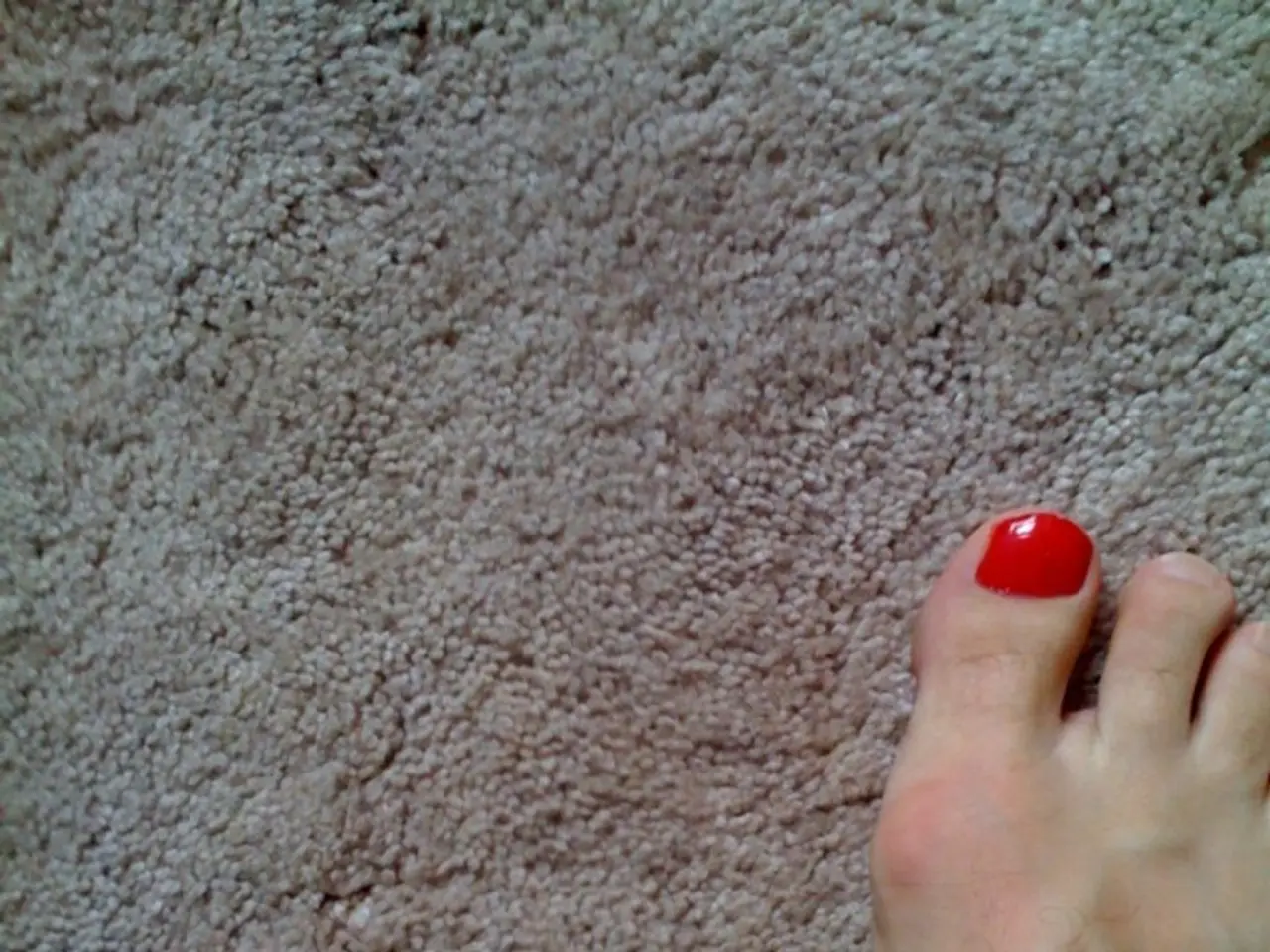
Toe Redness: Explanations, Associated Symptoms, and Remedies
Toe discoloration can be a concerning symptom, but understanding its potential causes can help individuals take the appropriate action. This article explores the common causes, treatments, and prevention methods for toe discoloration.
Toe discoloration can stem from various medical conditions, injuries, and environmental factors. Trauma or injury, such as stubbing a toe or repetitive impact, often causes black or dark purple toenails due to bleeding under the nail. Poor circulation and vascular issues, including peripheral artery disease (PAD), diabetes, Raynaud's phenomenon, or blood clots, can lead to blue, purple, or pale toes and nails, accompanied by symptoms like cold feet, numbness, swelling, and slow-healing sores.
Cold exposure can also cause blue discoloration in toes due to vasoconstriction and reduced blood flow. Fungal and bacterial infections, like athlete's foot and Pseudomonas, can cause nail discoloration, redness, peeling, and sometimes swelling. Eczema or dermatitis may cause redness and skin changes around the toes that could be mistaken for fungal infections.
Treatment for toe discoloration depends on the underlying cause. For trauma-related bruising, rest and protection of the toe are usually sufficient, while severe cases might require drainage or medical care. Managing underlying conditions like diabetes and vascular disease, along with lifestyle changes and possibly vascular interventions, is crucial for poor circulation. Fungal infections are treated with topical or oral antifungals, keeping feet dry and clean, changing socks regularly, and wearing breathable footwear. Bacterial infections may require antibiotics based on culture results. Eczema or dermatitis typically require moisturizers, corticosteroids, and avoiding irritants.
Preventing toe discoloration involves protecting toes from injury by wearing proper footwear, avoiding repetitive trauma, keeping feet warm and dry, practicing good foot hygiene, managing underlying health conditions, and avoiding walking barefoot in communal areas.
In addition to discoloration, signs of a traumatic fracture include a sound at the time of injury, pain at the point of impact that may last for a few hours, a crooked or abnormal appearance to the toe, redness followed by bruising and swelling the next day. Chilblains, small, irritated patches that appear on the skin after exposure to cold weather, can be treated with over-the-counter steroid creams, avoiding scratching at the marks, and keeping any blistered or ulcerated areas clean and dry to prevent infection.
Risk factors for chilblains include poor circulation, hormonal changes, connective tissue problems, and Raynaud's phenomenon. Some traumatic toe fractures heal on their own with rest, while others may require a splint to keep the bone in a fixed position while it heals. In severe cases, surgery with fixation devices like pins may be necessary.
Smoking damages blood circulation, and quitting smoking can help prevent chilblains. Raynaud's disease, characterised by the toes turning different colours due to weather, injury, infection, or skin irritation, can be managed with medication that helps keep the blood vessels open. Primary Raynaud's phenomenon is more common in people assigned female at birth and under 30.
Wearing shoes with wide, flexible soles and enough room for the toes can help ease the pain of irritation. Keeping the feet warm and dry can help prevent chilblains from forming on the toes. Soaking the feet in warm water at the first sign of Raynaud's symptoms can also be beneficial.
In conclusion, toe discoloration can arise from trauma, circulation problems, infections, or skin conditions, each requiring tailored treatment and preventive strategies focused on protection, hygiene, and managing systemic health issues.
- Aq (trauma) or repetitive impact can cause black or dark purple toenails due to bleeding under the nail, leading to toe discoloration.
- Sclerosis, such as diabetes, can lead to blue, purple, or pale toes and nails, accompanied by cold feet, numbness, swelling, and slow-healing sores.
- Psoriatic arthritis may cause redness and skin changes around the toes that could be mistaken for fungal infections.
- Fungal infections like athlete's foot or Pseudomonas can cause nail discoloration, redness, peeling, and sometimes swelling.
- HIV disease, along with poor nutrition, can increase the risk of fungal and bacterial infections leading to toe discoloration.
- Bipolar disorder or other mental-health issues can co-occur with skin-care problems like eczema or dermatitis, causing redness and skin changes around the toes.
- Multiple sclerosis, a neurological disease, can affect the nerves responsible for blood flow, leading to foot discoloration and other related symptoms.
- Crohns, an inflammatory bowel disease, can cause joint pain and swelling in the feet, potentially leading to bunions and toe discoloration.
- Predictive therapies and treatments for diseases like NSCLC (non-small cell lung cancer) and COPD (chronic obstructive pulmonary disease) can help manage conditions that affect the circulatory system and contribute to toe discoloration.
- Adopting a health-and-wellness lifestyle focused on stress management, good foot hygiene, wearing breathable footwear, and managing any underlying health conditions can help prevent toe discoloration and promote overall well-being.