Hemorrhoids located outside the anus: Information on treatment, visuals, indicators, and origin
Thrombosed external hemorrhoids, a common ailment affecting many individuals, can cause discomfort and pain. These hemorrhoids, which develop outside the anus, have specific treatment options, ranging from conservative (non-surgical) to surgical approaches.
For most cases, conservative management is the first line of defence. This includes taking sitz baths to alleviate pain and inflammation, using pain relievers such as NSAIDs, and incorporating stool softeners into one's diet to reduce straining during bowel movements. Lifestyle modifications, such as increasing dietary fiber and hydration, are also recommended [5].
However, in cases of severe pain and within the first 72 hours of symptom onset, surgical excision may be indicated. This procedure, which involves removing the thrombus and affected hemorrhoidal tissue, offers quicker relief and improved outcomes compared to conservative treatment [1][2].
Non-surgical procedural options like rubber band ligation or sclerotherapy, commonly used for internal hemorrhoids, are not standard for acute thrombosed external hemorrhoids [3].
Studies have shown that surgery leads to faster symptom resolution, lower pain scores initially, and reduced recurrence rates compared to conservative treatment, without a significant increase in complications like bleeding or urinary retention. Surgery can also shorten recovery time by about a week [1].
In summary, the choice between conservative management and surgery depends on the severity of symptoms and their duration. Mild to moderate pain may be managed with conservative measures, while severe pain within 72 hours may benefit from surgical excision. Large hemorrhoids may also require surgical removal [1][2].
It's important to note that external hemorrhoids are different from other hemorrhoid types, as they protrude from the anus and tend to cause more pain due to the sensitivity of the outside of the anus. Common symptoms include itching, irritation, discomfort, and a tender lump around the anus.
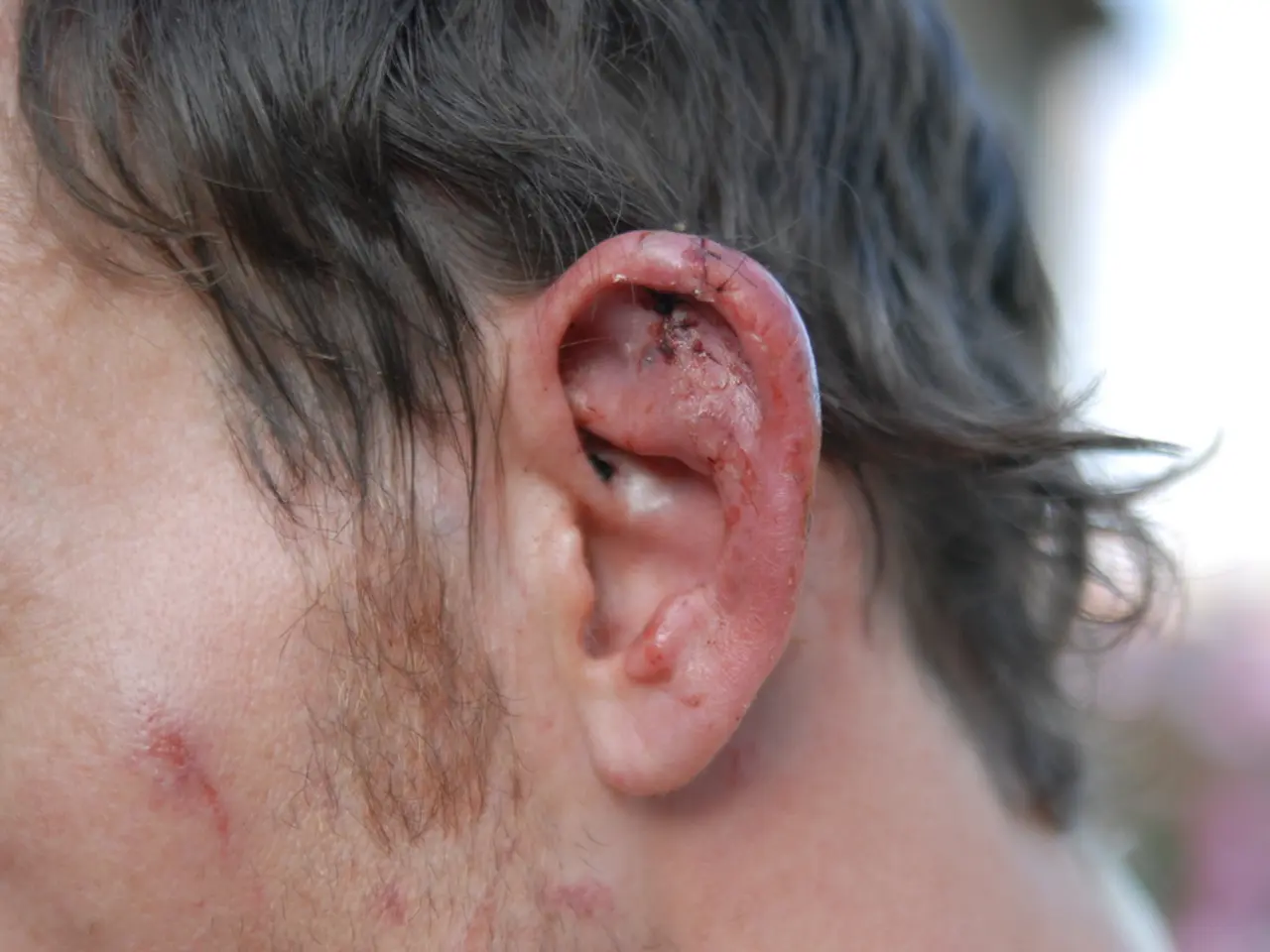
While external hemorrhoids are rarely dangerous, they can develop a blood clot, known as a thrombosed hemorrhoid, which may burst, causing bleeding. A thrombosed hemorrhoid can be extremely painful and may appear purple or grey, black, or dark brown.
After a thrombosed hemorrhoid, an external hemorrhoid may leave behind a perianal skin tag, which may require surgical removal if it regularly catches stool and is difficult to keep clean. Regular rectal bleeding should not be assumed to be from a hemorrhoid, as it can signify other issues, including colorectal or anal cancer.
Preventative measures for external hemorrhoids include increasing dietary fiber, staying hydrated, engaging in regular physical activity, and avoiding prolonged toilet time. Home remedies for external hemorrhoids include warm baths, over-the-counter pain relievers, ointments, gentle cleaning, and ice packs.
Doctors can surgically remove a clot from an external hemorrhoid under local anesthesia. It's crucial to consult a healthcare professional for accurate diagnosis and appropriate treatment. Hemorrhoids are one of the most common medical conditions, and their likelihood increases with age.
- Ulcerative colitis, a chronic inflammatory bowel disease, shares some similarities with external hemorrhoids, as they both may cause discomfort and pain.
- Science has made significant strides in predictive care, enabling medical professionals to gauge the likelihood of chronic diseases like chronic kidney disease or COPD in older individuals.
- Macular degeneration, a degenerative eye condition associated with aging, can potentially affect an individual's eye health and wellness, making fitness and exercise and a nutritious diet crucial for maintaining overall health and well-being.
- Obesity, a leading risk factor for numerous chronic diseases like NSCLC and respiratory conditions, can also exacerbate skin conditions such as psoriasis.
- Depression, a mental health disorder, can coexist with physical conditions like chronic diseases or skin conditions, making it essential to prioritize mental health care and skin care for a holistic approach to health and wellness.
- GLP-1 agonists, which can aid in managing conditions like Type 2 diabetes and obesity, have also shown some promise in preventing the progression of particular forms of aq (amyloid aggregation) related degeneration.
- In the realm of medical-conditions and chronic diseases, the link between external hemorrhoids and thrombosed hemorrhoids is well-established, with the former being a potential cause of the latter.
- While external hemorrhoids may respond well to conservative management, skin conditions like psoriasis, a chronic inflammatory skin disorder, often require targeted treatments in conjunction with overall skincare and a well-balanced diet.
- Age is a significant factor in the development and progression of various medical-conditions, including chronic diseases like COPD, chronic kidney disease, and eye health problems like macular degeneration.
- Predictive models in the field of science and medicine are being developed to identify the likelihood of an individual developing specific chronic diseases, such as obesity-related NSCLC or respiratory conditions, based on various risk factors.
- Chronic kidney disease, a condition characterized by irreversible damage to the kidneys, affects 15% of the global population and often requires lifelong management and dietary adjustments.
- Mental health is an integral part of overall well-being, and conditions like depression, which can result from chronic diseases or skin conditions, may require a multidisciplinary approach for effective management.
- Regular check-ups with healthcare professionals are essential for early diagnosis and treatment of various medical-conditions, be it external hemorrhoids, colorectal cancer, or any other chronic diseases or conditions, enabling individuals to proactively manage their health and wellness.