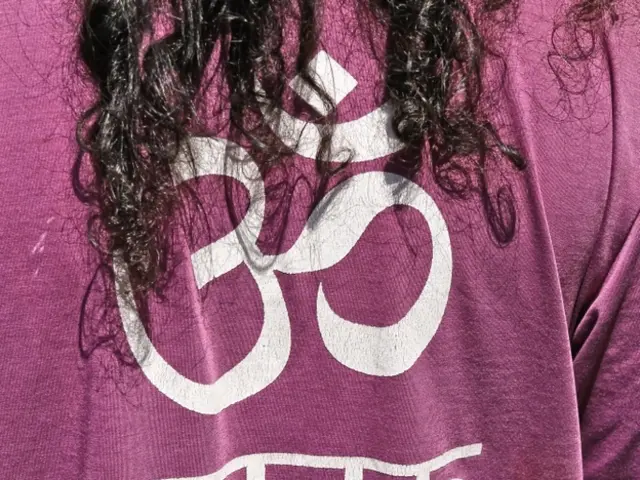

Faith-Based Healing and Personal Overcoming: Discovering Resilience through Belief Systems
In an era marked by uncertainty and distress, numerous individuals grapple with the aftermath of traumatic experiences that leave indelible scars on their hearts and minds. The path to recovery from such experiences is a complex and non-linear one, requiring an assortment of approaches for healing. Spirituality emerges as a powerful ally in this journey, offering solace, fortitude, and ultimately, transformative healing.
The following explores the intricate intersection between spirituality and trauma recovery, offering hope in the wreckage of trauma, affirming the resilience that can be found within the sanctuary of faith.
Understanding the essence of trauma is paramount to appreciating the symbiotic relationship between spirituality and recovery.
Defining and Understanding Trauma
Trauma refers to the emotional and psychological response to deeply distressing events, such as physical or sexual assault, emotional abuse, or witnessing violence. This can also stem from large-scale events like wars, natural disasters, or pandemics. Recognizing the nuanced nature of trauma is crucial, as it affects individuals differently.
Impact of Trauma on Mental Health
The mental health impact of trauma can extend far and wide. Emotional responses such as fear, anger, guilt, and numbness are common. Trauma can also lead to mental health disorders such as post-traumatic stress disorder (PTSD), depression, anxiety, or substance use disorders. Moreover, trauma can influence memory, attention, and the ability to concentrate, while causing physical symptoms such as headaches, nausea, or changes in sleep or appetite.
Common methods of trauma treatment include cognitive-behavioral therapy (CBT), eye movement desensitization and reprocessing (EMDR), and dialectical behavior therapy (DBT). Holistic approaches, such as mindfulness, bodywork, art therapy, and spirituality, are also increasingly recognized in the healing process.
The role of spirituality extends far beyond the realm of religion. Spirituality involves a sense of connection to something greater than oneself, encompassing searches for meaning, self-discovery, or a belief in a higher power.
Differences and Overlaps between Spirituality and Religion
Although spirituality and religion share similarities, they are not identical. Religion generally entails specific systems of faith and worship, involving beliefs, rituals, and moral codes. Spirituality, on the other hand, pertains to personal interpretation and experience. While some view their spiritual and religious beliefs as complementary, others maintain a distinct separation between the two. Regardless, both religious and spiritual beliefs provide a sense of community, purpose, and moral guidance, often offering solace during challenging times.
Effects of Spirituality on Mental Well-Being
The relationship between spirituality and mental well-being is multifaceted. Spiritual practices like prayer, meditation, or community participation can foster a sense of peace, purpose, and interconnectedness. They aid in promoting self-awareness, self-compassion, and emotional regulation, all vital components of mental health.
Research supports the notion that spirituality can bolster mental health, fostering resilience and posttraumatic growth, which is the concept that individuals can cultivate strength and wisdom following traumatic experiences.
Scientific findings underscore the role of spirituality in trauma recovery. Numerous studies suggest that spiritual practices can mitigate psychological distress and promote well-being. They contribute to resilience, self-awareness, and emotional regulation, bolstering recovery from trauma.
Navigating Trauma Recovery with Spirituality
Different spiritual practices can be integrated into the journey of trauma recovery, tailored to suit individual preferences. Options range from traditional spiritual practices like prayer and meditation, to nature-based spirituality, or art therapy. Finding spiritual mentors, communities, or incorporating spiritual practices into daily life can be valuable for those pursuing a healing journey.
However, it's essential to approach spirituality with care, acknowledging individual differences, balancing spirituality with professional mental health support, and navigating the complex relationship between trauma and spirituality with non-judgment and compassion. Incorporating spirituality into trauma recovery can provide a potent ally in overcoming adversity.
References
[1] Spirituality and Trauma: Professionals Working Together[2] The Intersection of Religion/Spirituality and Trauma[3] Faith to move mountains: religious coping, spirituality, and interpersonal trauma recovery[4] Integrating Faith & Spirituality into Trauma Recovery[5] Integrating Faith & Spirituality into Trauma Recovery
[Source: ResearchGate, Journal of Clinical Psychology, Journal of Traumatic Stress, Mindfulness, Brain and Behavior, Frontiers in Neuroscience]
- Spirituality, with its focus on connection and meaning, can play a significant role in the recovery process from traumatic experiences, bolstering resilience and potential posttraumatic growth.
- Scientific research indicates that spiritual practices, such as prayer or meditation, can help to alleviate psychological distress, contribute to resilience, and promote overall well-being, making them valuable tools for individuals navigating recovery from trauma.